How Can Parents Know Whether a Play School Follows Genuine Play-Based Learning?
Walk into any play school and you’ll probably see bright walls, colourful toys, tiny chairs, and children moving from one activity to another. But does that automatically mean children are learning through play? Not necessarily.
For parents looking for the best play school in Pitampura Delhi, the more useful question is what actually happens when children are playing. Are they encouraged to explore, ask questions, make choices, and try things themselves? Or are the activities simply designed to keep them occupied?
Understanding that difference can make choosing a preschool much easier.

Look Beyond the Toys
Toys alone don't make a play-based classroom.
Pay attention to how teachers use them. A set of building blocks, for example, can become a simple counting activity, a lesson about balance, or an opportunity for children to work together. The teacher doesn't always need to explain what to build. Sometimes allowing a child to figure it out is the learning.
During a school visit, watch what children are actually doing rather than only looking at the classroom decoration.
Ask What a Typical Day Looks Like
This is probably one of the simplest ways to understand a school's approach.
Ask the teacher or coordinator to describe an ordinary day. How much time do children spend in free play? Are there storytelling sessions, music, movement, art, outdoor activities, pretend play, or hands-on exploration?
A genuine play-based approach usually has a mixture of guided activities and opportunities for children to explore independently. The day shouldn't feel like a miniature version of primary school, with children sitting quietly and completing worksheets for most of the morning.
Notice How Teachers Talk to Children
This is easy to overlook during a school tour.
Listen to the questions teachers ask. Instead of immediately giving children answers, do they encourage them to think?
A child might say, "My tower keeps falling." A teacher could simply rebuild it. Or they could ask, "What do you think we could change?" That small difference tells you a lot.
Good play-based learning allows children to experiment, make mistakes, and try again without feeling that every answer has to be correct.
Is There Room for Imagination?
Pretend play has a bigger role in early learning than many parents realise.
A cardboard box can become a bus. A few toy utensils can turn into a pretend kitchen. Children might play shopkeeper, doctor, teacher, or chef.
These seemingly simple games allow children to practise language, social interaction, problem-solving, and decision-making. If a classroom has opportunities for this kind of imaginative play, that's worth noticing.
Ask How Learning Is Observed
Parents often expect to see notebooks or worksheets as proof that their child is learning. But young children don't always demonstrate learning on paper.
Teachers can observe how a child communicates, solves a problem, interacts with classmates, handles materials, follows instructions, or approaches a new activity.
Ask the school how teachers track this development and how they communicate progress to parents. A thoughtful answer is usually more reassuring than a folder full of worksheets.
Don't Confuse Play-Based Learning With "No Structure"
There is an important distinction here.
Play-based learning doesn't mean children spend the entire day doing whatever they want without guidance. Teachers still plan activities and have learning goals. The difference is in how those goals are introduced.
For instance, instead of teaching shapes only through a worksheet, children might identify shapes around the classroom, build them with blocks, draw them, or search for them during an outdoor activity.
Learning is still happening. It simply feels more natural to the child.
What Should Parents Observe During a School Visit?
You don't need an education degree to notice useful things.
Look at whether children appear engaged rather than simply quiet. See whether classrooms have materials children can reach and use. Notice if teachers listen patiently and give children time to respond.
Parents considering a best School in Pitampura Delhi should also ask how the school approaches the transition from preschool into formal schooling. A strong early-years foundation should help children develop curiosity, communication, independence, and confidence—not just early reading and writing skills.
Ask Specific Questions Before Enrolling
Don't hesitate to ask direct questions such as:
- How much free-play time do children get each day?
- What happens when a child doesn't want to join an activity?
- How are activities planned around children's interests?
- Do teachers use worksheets regularly?
- How much outdoor play is included?
- How do you assess children's development?
- Can parents observe a class before admission?
The answers can tell you much more than a brochure.
The School's Overall Philosophy Matters
When comparing a top school in Pitampura, don't focus only on facilities, classrooms, or promotional material. Look at whether the school's approach genuinely respects how young children learn.
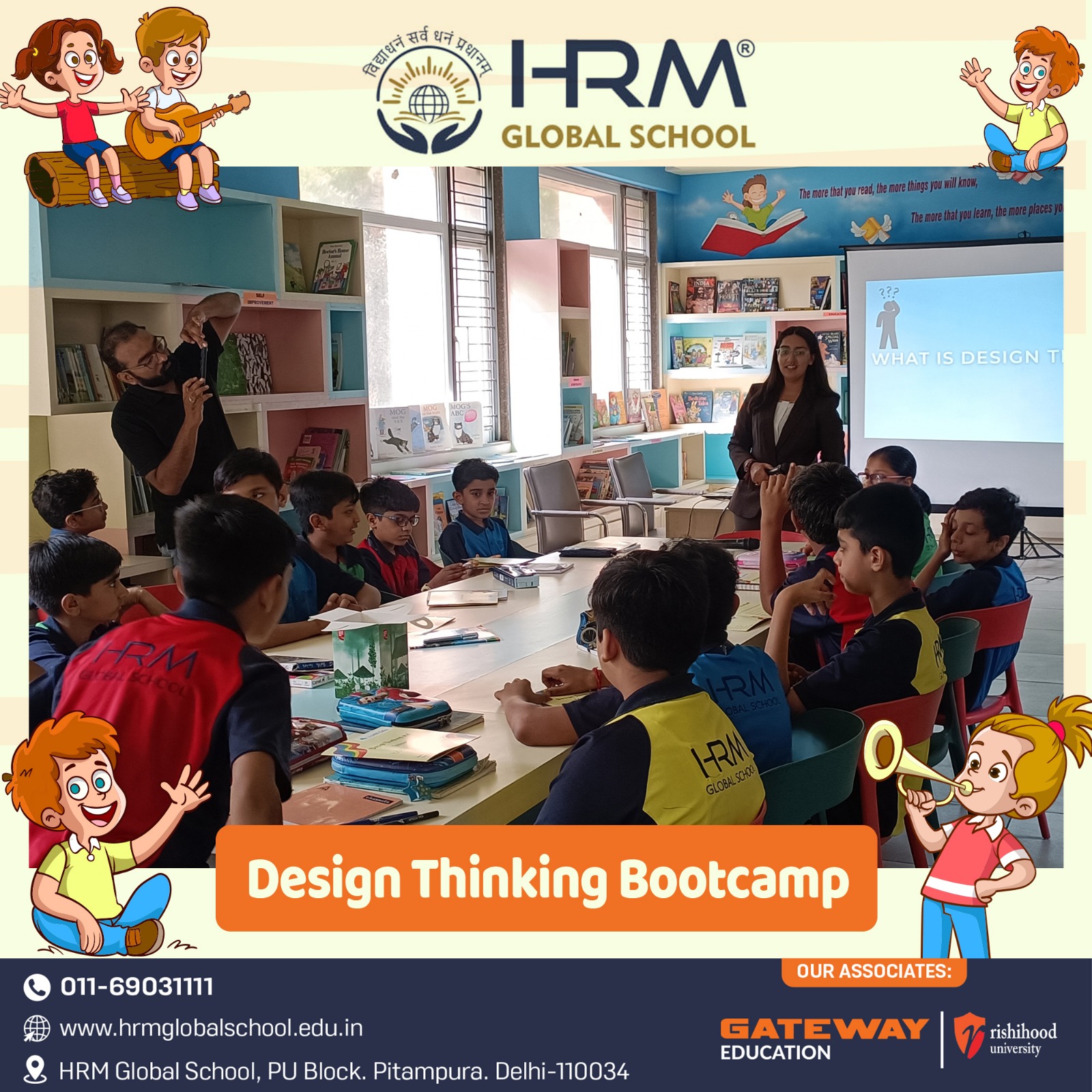
For instance, a school such as HRM Global School can be evaluated by asking about its early-years teaching methods, classroom practices, teacher interaction, and opportunities for hands-on learning rather than making a decision based on appearance alone.
Final Thoughts
Genuine play-based learning isn't difficult to recognise once you know what to look for. It can be seen in the way teachers respond to questions, how children use materials, how much freedom they have to explore, and whether activities encourage curiosity rather than simply producing a finished worksheet.
So, when visiting a play school, don't just ask, "What facilities do you have?"
Ask, "What does my child actually do here every day?"
That answer may tell you far more about the quality of the learning environment than a colourful classroom ever could.


Comments
Post a Comment