Best Preschool in Pitampura: Is Play-Based Learning Better for School Readiness?
When parents hear “school readiness,” they often think about whether a child can recognise letters, count numbers, sit quietly, or complete simple worksheets. But readiness for school involves much more than early academics. Children also need to learn how to communicate, follow routines, interact with others, concentrate on an activity, and become comfortable doing things independently.
That is where play-based learning becomes interesting. For parents comparing the best preschool in Pitampura, understanding how children actually learn during the early years can be more useful than simply comparing facilities or activity lists.

What Is Play-Based Learning?
Play-based learning uses children's natural curiosity as part of the learning process. Instead of expecting young children to learn everything through formal instruction, teachers create activities where children can explore, experiment, communicate, and solve simple problems.
A pretend-play corner, building blocks, puzzles, storytelling, drawing activity, or group game may look like ordinary play. However, these experiences can involve language, decision-making, coordination, creativity, and social interaction.
The learning is there, even when it does not look like a traditional classroom lesson.
Can Play Prepare Children for Formal School?
Yes, when it is thoughtfully planned and supported by teachers.
A child entering formal schooling needs to manage several things at once. They may need to listen to instructions, wait for their turn, communicate with classmates, handle small disagreements, complete an activity, and move from one routine to another.
Play can give children opportunities to practise these behaviours naturally.
For example, a group game can encourage turn-taking. A building activity can introduce basic problem-solving. Storytelling can strengthen listening and vocabulary. Drawing and hands-on activities can support fine-motor development.
These are all parts of becoming comfortable in a school environment.
Why Is Independence Important?
School readiness is not about making a preschooler behave like an older student.
Instead, children gradually benefit from learning simple independent habits—putting away their belongings, choosing between activities, asking for help, following basic instructions, and completing age-appropriate tasks.
A good early-learning environment gives children opportunities to try things themselves while providing support when they need it.
For parents looking at a Best School in Pitampura Delhi, this is worth discussing during a school visit. Ask how much independence children are encouraged to develop rather than focusing only on worksheets and academic targets.
What About Early Reading and Numbers?
Play-based learning does not mean ignoring academics.
Young children can be introduced to letters, sounds, numbers, shapes, colours, and early writing skills through stories, games, songs, puzzles, matching activities, and hands-on experiences.
The difference is often in how these concepts are introduced.
A child who is interested in a counting game may engage with numbers more willingly than when the same concept is presented only as a repetitive exercise. Similarly, storytelling can make new words and sounds easier to remember because they are connected to a meaningful context.
Social Skills Matter Too
One aspect parents sometimes overlook is social readiness.
Preschool gives children regular opportunities to be around other children. They learn to share space, express their needs, listen to others, cooperate, and handle small frustrations.
These experiences can make the transition into a larger classroom environment easier.
Parents considering a school in North West Delhi can therefore look at how children interact during a campus visit. Are they encouraged to participate? Do teachers listen patiently? Are children given opportunities to work together?
The atmosphere can tell parents a lot.
What Should Parents Look for During a School Visit?
Rather than asking only whether a preschool follows play-based learning, parents can ask how that approach works in everyday practice.
A few useful questions are:
- What does a typical preschool day look like?
- How much time is given to guided play and free exploration?
- How are early literacy and numeracy introduced?
- How does the school support children who learn at different speeds?
- How are social and emotional skills encouraged?
- How do teachers communicate a child's progress to parents?
These questions can help families understand whether “play-based” is genuinely part of the learning approach or simply a phrase used in school marketing.
A Child-Centred Start Can Make a Difference
For a young child, the first experience of school can influence how they feel about learning itself. A classroom where children are allowed to explore, ask questions, make mistakes, and participate can help make learning feel less intimidating.
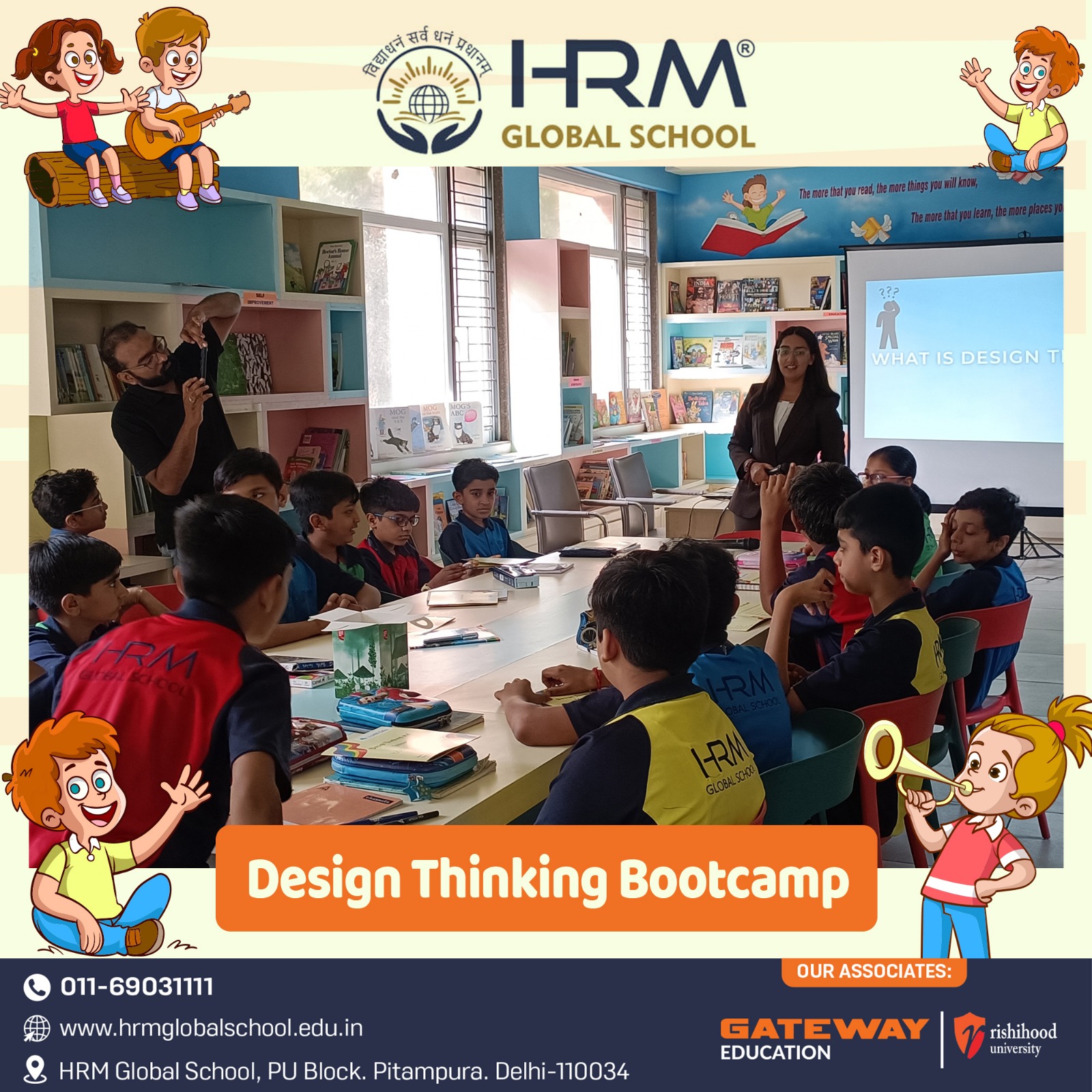
At HRM Global School, parents can explore the school's early-learning environment and understand how classroom activities, routines, and interactions support children's development.
Ultimately, choosing a preschool is not about finding the most academic-looking environment. It is about finding an environment where children can develop the skills they need for the next stage—curiosity, confidence, communication, independence, and a willingness to learn.
Final Thoughts
Play-based learning and school readiness do not have to be opposites. When guided properly, play can become a practical way for young children to develop academic foundations alongside social, emotional, physical, and communication skills.
For parents comparing the best preschool in Pitampura, the better question may not be “How much does my child study?” but “What is my child learning through the way they play, explore, and interact every day?


Comments
Post a Comment