Play Schools in Delhi: Are Communication, Creativity and Independence the New Early-Learning Priorities?
A few years ago, early learning was often associated with recognising letters, counting numbers, writing neatly, and memorising simple concepts. Those skills still matter, of course. But parents today are asking a broader question: What should a young child actually learn before formal academics become more demanding?

That shift is changing what families look for in play schools in Delhi. Communication, creativity, confidence, social interaction, and independence are increasingly becoming part of the conversation around quality early education.
Why Communication Matters at an Early Age
A child may know plenty of words but still find it difficult to express what they want, explain how they feel, or speak comfortably with others.
Early education can provide everyday opportunities for children to practise communication. Storytelling, group discussions, role-play, songs, classroom conversations, and simple presentations can encourage children to listen as well as express themselves.
The objective isn't to make every child speak perfectly. It is to help them become comfortable communicating, asking questions, and sharing their thoughts.
Creativity Is More Than Drawing and Craft
When people hear the word creativity, they often think of colouring sheets or craft activities. For young children, however, creativity can appear in much simpler ways.
A child deciding how to build something with blocks, inventing a story during pretend play, finding another way to complete an activity, or asking an unexpected question is already exercising creative thinking.
A good early-learning environment gives children some room to explore instead of expecting every child to produce exactly the same result.
Independence Starts With Small Things
Independence does not suddenly appear when a child becomes older. It develops gradually through small daily experiences.
Putting away toys, choosing between activities, carrying their own belongings, completing a simple task, or asking for help when needed can all contribute to a child's growing confidence.
Teachers play an important role here. Helping a child is necessary at times, but allowing them to attempt something independently can be equally valuable.
For parents comparing schools in Pitampura Delhi, this is worth discussing during a school visit. Ask how much responsibility children are encouraged to take for age-appropriate classroom routines.
Social Skills Are Part of Early Learning Too
Children learn a lot from being around other children.
Sharing materials, waiting for a turn, listening to someone else, resolving small disagreements, and participating in group activities are experiences that cannot be fully replicated through worksheets at home.
This does not mean that every child has to be highly outgoing. Some children naturally take more time to participate. A supportive classroom should give different personalities enough space to become comfortable at their own pace.
What Should Parents Look for in a Preschool?
Parents don't necessarily need to search for the school with the longest list of activities. Instead, they can look at how those activities are conducted.
During a visit, parents can observe:
- Do teachers listen patiently to children?
- Are children encouraged to ask questions?
- Is there space for creative and open-ended play?
- Are children allowed to attempt tasks independently?
- How are quieter children included?
- Does the classroom feel organised without being overly restrictive?
- Is learning balanced with play and interaction?
These observations can tell parents more than a brochure alone.
How Academics Fit Into the Picture
Focusing on communication, creativity, and independence does not mean ignoring academic foundations.
Children still need exposure to numbers, language, basic concepts, books, patterns, and age-appropriate writing activities. The difference is in how these concepts are introduced.
For young learners, a story can become a language activity. Building blocks can introduce counting and shapes. A group activity can develop vocabulary while also teaching cooperation.
Learning does not always have to look like a traditional lesson to be meaningful.
What Makes an Early-Learning Environment Valuable?
Parents researching the top schools in Pitampura may find that different schools use different approaches. Instead of relying only on labels such as “best” or “top,” it can be more useful to understand the school's actual learning environment.
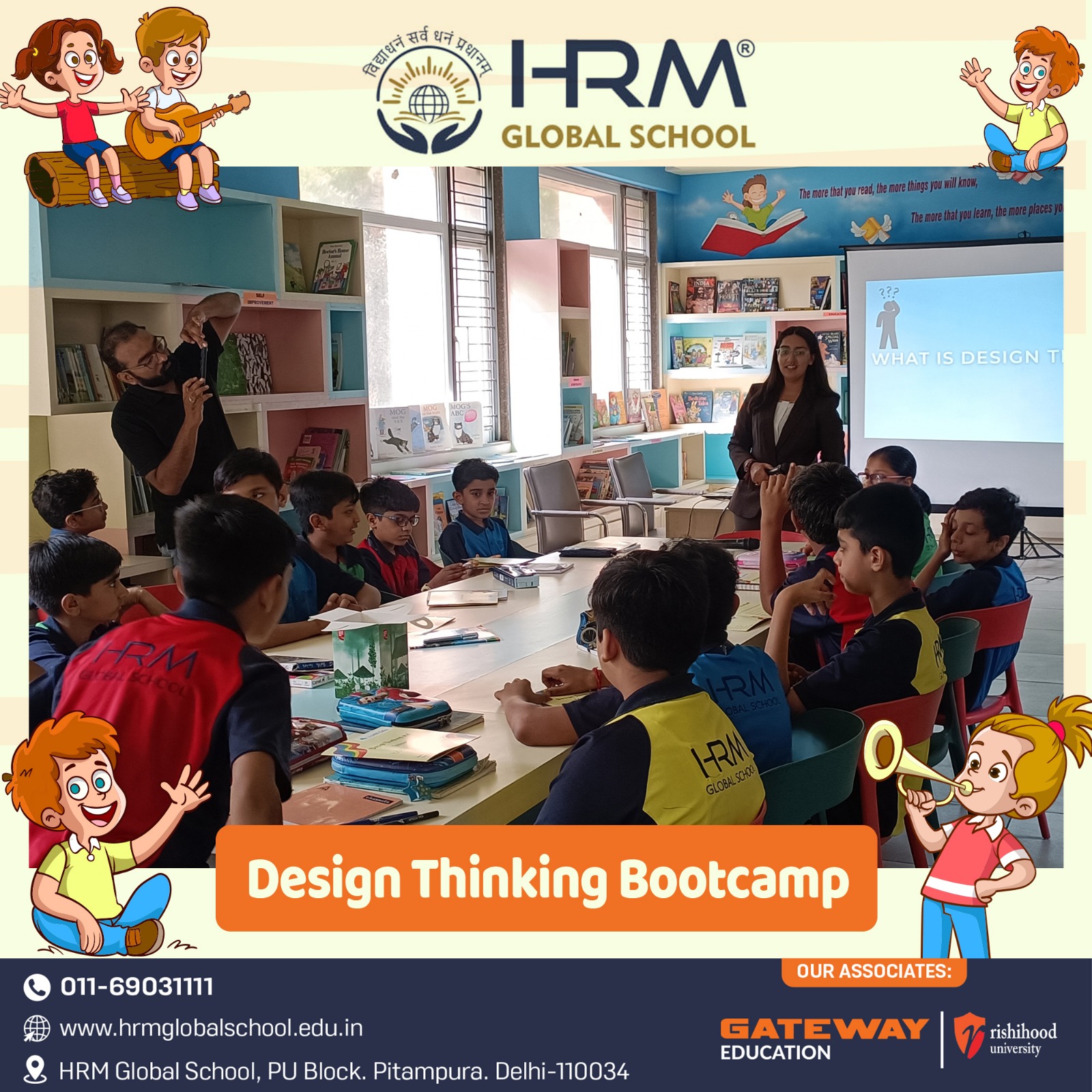
For instance, families considering HRM Global School can ask about classroom activities, teacher interaction, student participation, and how the school supports children as they become more confident learners.
The right questions can help parents understand whether the school's approach matches what they want for their child.
The Bigger Picture
Early education is not simply preparation for the next class. It is also a period when children begin developing habits that can influence how they approach learning later.
Being able to communicate an idea, try something independently, think creatively, work with others, and remain curious can be valuable alongside academic knowledge.
That is why parents evaluating play schools in Delhi may want to look beyond alphabets and numbers. The more useful question may be: Is this environment helping my child become a confident, curious and capable learner?


Comments
Post a Comment