How to Prepare Your Child for Preschool: 7 Everyday Activities That Build Independent Thinking
The first day of preschool brings a mix of excitement and nervousness, for children and parents alike. A child who has mostly spent time at home suddenly needs to follow a routine, interact with new people, share things and try activities without constant help. So, how to prepare your child for preschool without making it feel like another school lesson? Start with simple activities at home. Everyday tasks can help children become more confident, curious and comfortable making small decisions independently.

Here are seven practical ways parents can build these skills before preschool begins.
1. Let Your Child Make Small Choices
Instead of deciding everything for your child, offer two simple options. Ask whether they want the blue cup or the green one, which story they would like to hear, or what they want to wear.
These little decisions teach children to express preferences and understand that their choices matter. They also get comfortable making decisions without waiting for an adult to guide every step.
2. Encourage Independent Eating
Mealtimes are a good opportunity to practise independence. Let your child hold a spoon, drink from a cup, choose between two healthy snacks or help place their plate on the table.
Things may get messy initially, and that's perfectly fine. The aim is not perfect table manners but helping children manage small tasks themselves. These habits can make the transition to eating with other children at school easier.
3. Make Storytime Interactive
Reading together does more than introduce new words. It gives children a chance to think, predict and share ideas.
While reading a picture book, pause and ask questions such as:
What do you think will happen next?
Why does the character look upset?
What would you do in this situation?
There is no need to expect perfect answers. Let your child explain their thoughts in their own words. Listening patiently helps build imagination, language skills and confidence.
4. Give Them Simple Household Responsibilities
Children enjoy feeling useful. Ask them to put toys back in a basket, arrange their books, place napkins on the dining table or keep their shoes in the right place.
These activities develop a sense of responsibility and help children understand simple instructions. If they don't complete a task perfectly, avoid taking over immediately. Give them a chance to try again.
5. Use Pretend Play to Practise Social Situations
Playing school, running a pretend shop or taking turns with toy animals can prepare children for everyday classroom interactions.
For example, pretend to be a teacher and ask your child to join a small activity. Then switch roles and let them lead. They can practise greeting someone, sharing toys, waiting for a turn and asking for help.
These experiences make unfamiliar situations feel less intimidating when they encounter them in preschool.
6. Build a Simple Daily Routine
Preschool usually follows a timetable, so having a predictable routine at home can help children adjust.
Try keeping regular times for waking up, meals, play, stories and bedtime. You can also introduce a small morning routine where your child puts on their shoes, picks up their bag and gets ready with some guidance.
Don't make the routine overly strict. Consistency matters more than following an exact schedule.
7. Allow Time for Unstructured Play
Not every activity needs instructions or a learning objective. Give your child building blocks, crayons, puzzles or safe household objects and let them decide what to do.
A child might turn blocks into a tower, a bridge or something completely unexpected. Resist the urge to correct their approach. When children experiment freely, they learn to solve problems, explore possibilities and think independently.
Choosing a Preschool That Supports Independent Learning
Home activities help, but the preschool environment also plays a major role in a child's development. When exploring schools in Pitampura Delhi, parents should look beyond colourful classrooms and attractive facilities.
Observe how teachers interact with children. Are students encouraged to ask questions? Do they get time for creative activities? Can they explore materials, play with classmates and attempt simple tasks independently?
Parents considering play school admissions in Pitampura should also ask about classroom routines, teacher supervision, play-based learning and how the school helps children settle in during their first few weeks.
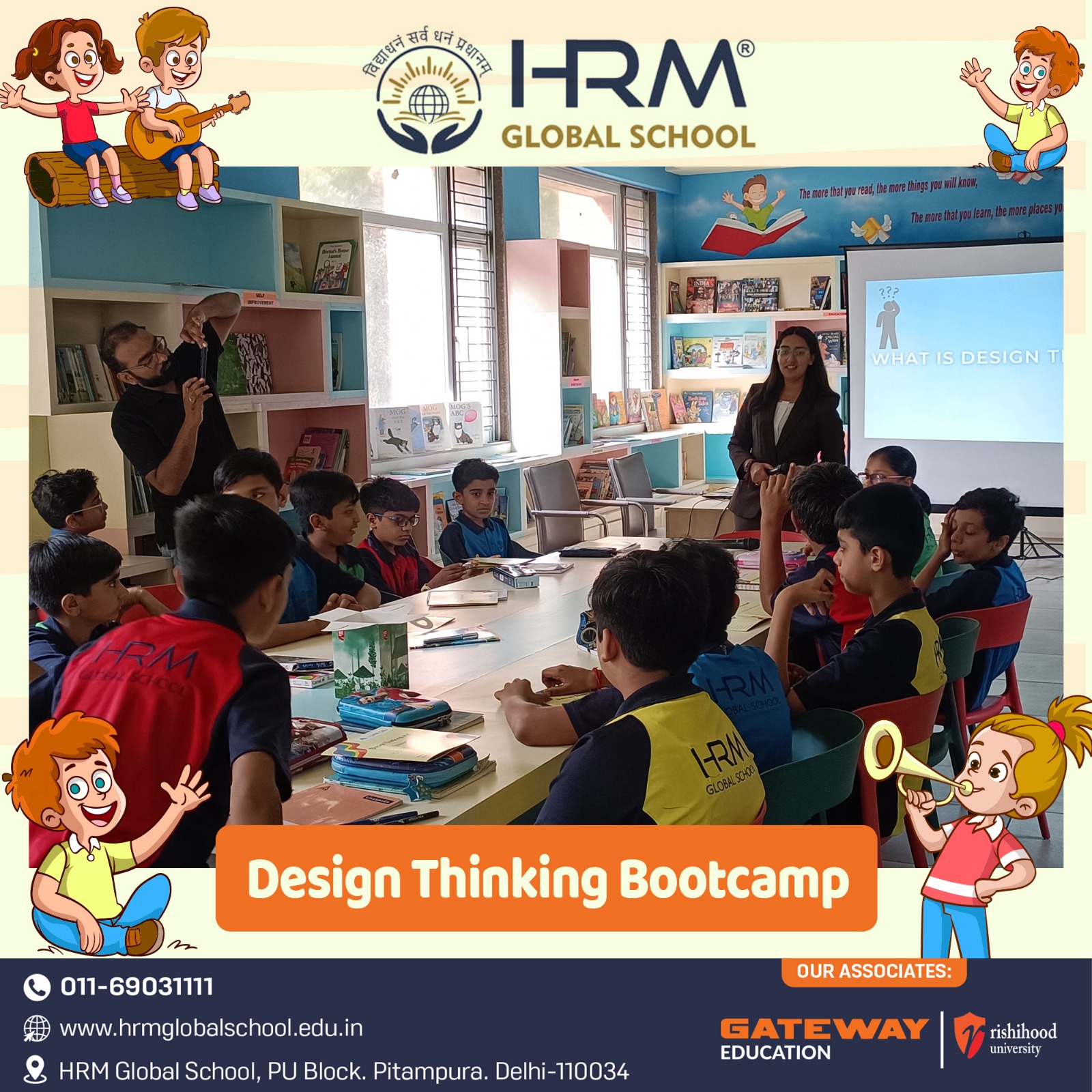
For example, HRM Global School can be included in a parent's school shortlist when exploring early learning and school environments in the area. A campus visit and conversation with the school team can help families understand its teaching approach and facilities firsthand.
A Little Independence Goes a Long Way
Preparing for preschool doesn't require expensive toys, complicated worksheets or hours of practice. Children learn valuable skills while eating, playing, listening to stories and helping around the house.
The best approach is to give them opportunities to try, make small mistakes and figure things out at their own pace. When children feel trusted and supported, they gradually become more comfortable exploring the world beyond home.


Comments
Post a Comment